
VW, Audi, SEAT & Skoda Engine Problems: When Should You Book a Diagnosis?


If your Volkswagen, Audi, SEAT or Skoda isn’t driving quite the way it should, it can be difficult to know whether you’re dealing with a minor issue or something that requires immediate attention.
You might notice an engine warning light, rough running, unusual noises, poor acceleration or changes in the way the car shifts gear. While some problems may appear straightforward, modern VAG vehicles use complex electronic and mechanical systems, meaning the symptoms you experience don’t always tell the full story.
Rather than guessing at the problem or replacing parts unnecessarily, a professional diagnosis can help identify what is actually happening with the vehicle.
At Vasstechnik, our VASS specialists work with Volkswagen, Audi, SEAT and Skoda vehicles and can assess the symptoms, investigate the underlying fault and advise you on the next steps.
Common Problems VW, Audi, SEAT & Skoda Owners May Experience
VAG vehicles can experience a wide range of faults as they age or accumulate mileage. Some issues may develop gradually, while others can appear suddenly.
If you’ve noticed any of the following symptoms, it may be worth booking your vehicle in for a professional diagnosis.
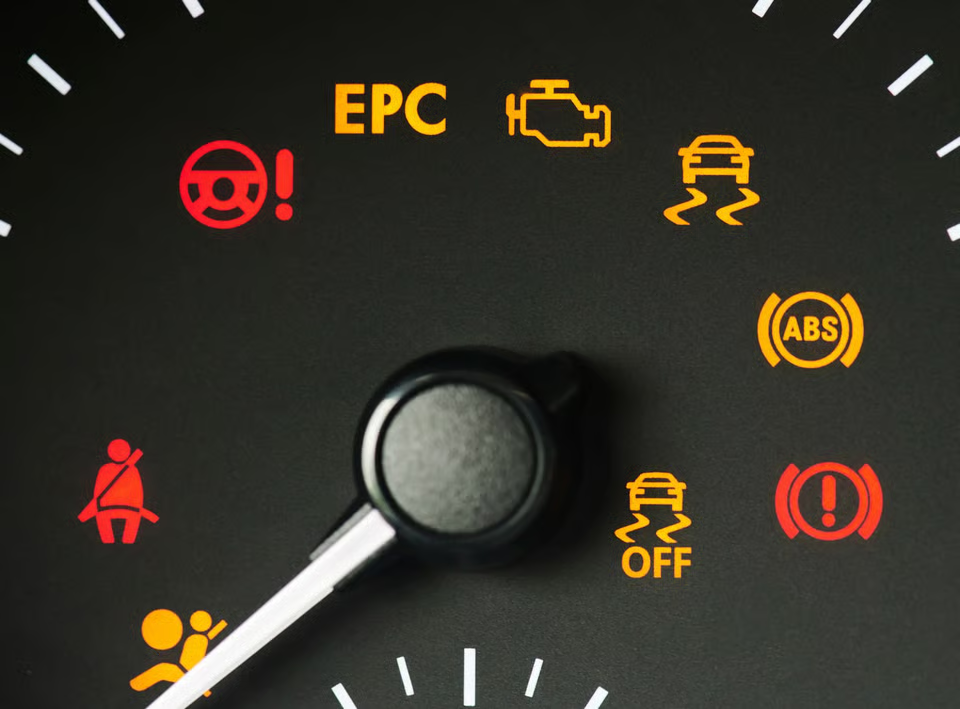
Engine warning lights
An illuminated engine management or EPC warning light can be concerning, particularly if it appears alongside changes in how the vehicle drives.
A warning light does not necessarily tell you exactly which component needs attention. A proper diagnostic assessment can help establish what the vehicle’s systems have detected and whether further investigation is required.
If you’ve recently experienced an EPC or engine warning light, our guide explains some of the warning lights commonly seen on Volkswagen and Audi vehicles: What Do the EPC and Engine Warning Lights Mean on Volkswagen and Audi?
Rough running or engine misfires
An engine that feels rough at idle, hesitates under acceleration, or suddenly feels less responsive is worth investigating.
You may also notice that the engine feels different when starting from cold, accelerating or climbing a hill.
Rather than assuming what is causing the problem, a VASS specialist can assess the vehicle and determine whether diagnostic testing or further mechanical inspection is required.
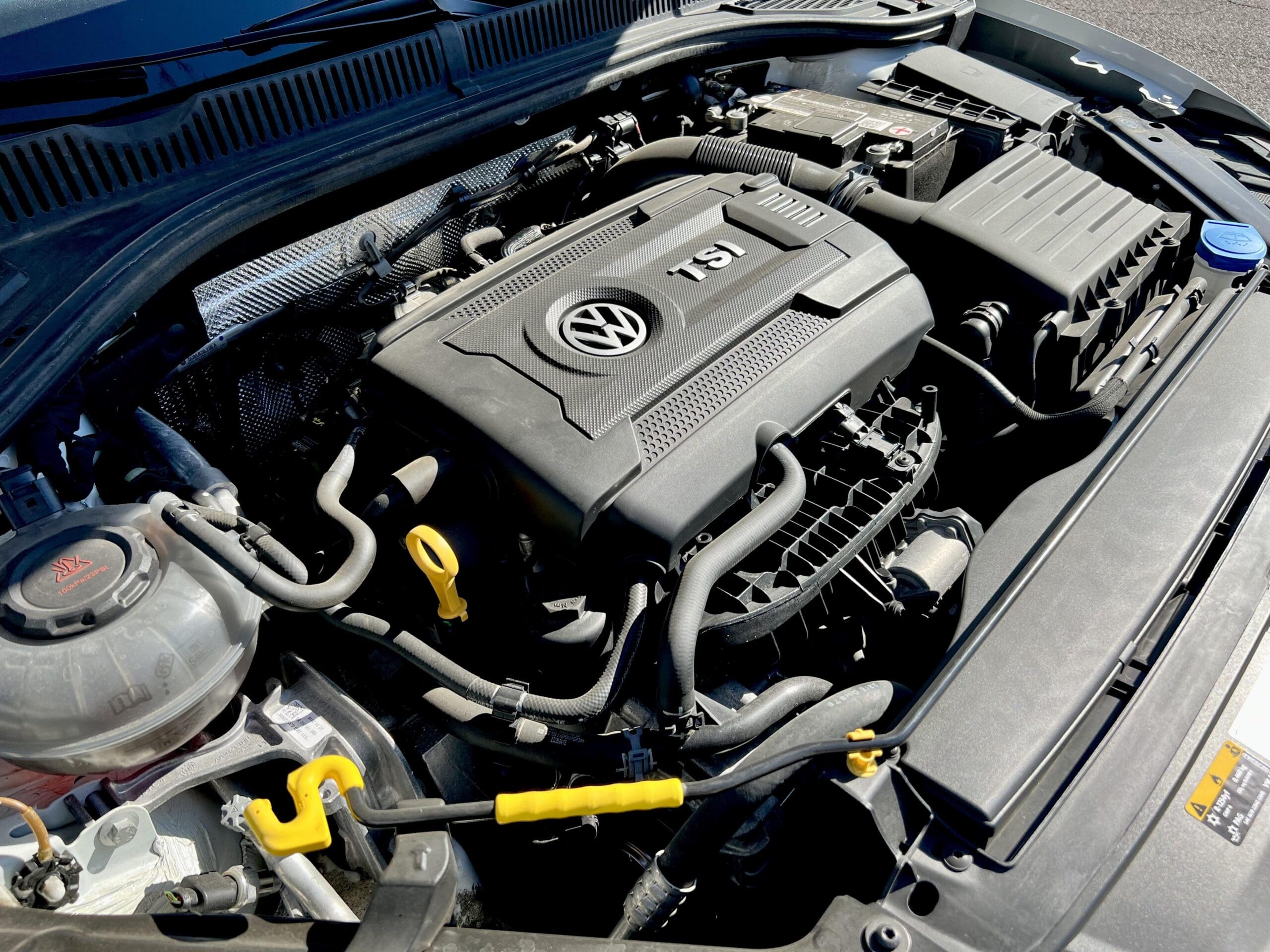

Loss of power or poor acceleration
Has your car suddenly lost some of its performance?
Loss of power can be particularly noticeable when accelerating, overtaking or travelling uphill. If the vehicle feels significantly different from normal, it is worth having the car assessed rather than continuing to drive it without understanding the reason.
For owners experiencing problems associated with turbocharged engines, Vasstechnik also has a guide covering common turbo-related problems: Common Car Turbo Problems: What to Look Out For
DSG gearbox problems
Changes in the way your DSG gearbox behaves can also be a reason to arrange a diagnosis.
Owners may notice unusual gear changes, hesitation, juddering, changes in shift quality or concerns about when the gearbox requires servicing.
Vasstechnik already has an in-depth guide covering DSG fluid changes, timing, costs and things owners should watch for: When to Change Your DSG Fluid: Timing, Cost & What to Watch For
If you’re experiencing a gearbox-related issue rather than simply looking for routine maintenance, a professional assessment can help determine what needs to happen next.


Unusual noises or vibrations
New noises, vibrations or changes in the way your car feels can be difficult to identify from inside the vehicle.
A vibration through the steering wheel, unusual engine noise or a change in the way the vehicle behaves under acceleration may all warrant further investigation.
If something feels different from normal, don’t rely on internet searches alone to identify the fault. A specialist can assess the vehicle in person and determine whether further diagnostic or mechanical work is required.
Problems associated with carbon build-up
Carbon deposits can become an area of concern on some petrol engines, particularly where symptoms such as poor running or reduced performance are present.
Walnut blasting is one of the specialist services offered by Vasstechnik for addressing carbon build-up. You can learn more about the service here: Vasstechnik Walnut Blasting Service

Persistent fault codes
A diagnostic scan can be extremely useful, but seeing a fault code does not always mean the answer is simply to replace the component associated with that code.
For example, Vasstechnik’s P200200 repair guide receives significant organic visibility for searches relating to Audi, Volkswagen and Skoda vehicles, demonstrating the level of interest in understanding these types of faults.
If your vehicle has generated a fault code, the most useful next step may be having a VASS specialist assess the vehicle rather than relying solely on the code itself.
You can read the existing P200200 repair case study here: VW & Audi Fault Code P200200 Repair Guide
Why Professional Diagnosis Matters
Modern Volkswagen, Audi, SEAT and Skoda vehicles contain increasingly sophisticated electronic systems alongside complex mechanical components.
This means that two vehicles displaying similar symptoms can require very different approaches.
Searching online can help you understand what a symptom might mean, but it cannot replace inspecting the actual vehicle.
A professional diagnosis allows a VASS specialist to assess the vehicle, investigate the symptoms and determine what should happen next.
This can help avoid unnecessary parts replacement and ensure that any recommended repair is based on the condition of the vehicle rather than guesswork.
Is Your VW, Audi, SEAT or Skoda Showing Signs of a Problem?
If your vehicle isn’t running, shifting or performing as it normally does, don’t wait for the problem to become more serious before getting it checked.
Whether you’ve noticed a warning light, rough running, loss of power, unusual noises, gearbox concerns or a persistent fault code, the first step is understanding what is actually happening with the vehicle.
Book a diagnosis with Vasstechnik and let a VASS specialist assess your vehicle.
Complete our contact form with details of your vehicle and the problems you’ve been experiencing. Our team can assess your enquiry and, where appropriate, arrange for the vehicle to be booked in for further diagnostic or repair work.
Frequently Asked Questions
When should I book my VW, Audi, SEAT or Skoda in for a diagnosis?
If you notice a new warning light, unusual noise, rough running, loss of power, unusual gearbox behaviour or another change in how your vehicle drives, it is worth contacting a specialist for an assessment.
Can a fault code tell me exactly what is wrong with my car?
Not necessarily. A fault code can provide useful information about what the vehicle’s systems have detected, but further diagnostic work may be required to establish the underlying issue.
Can Vasstechnik diagnose the problem and repair my car?
Depending on the fault and the work required, a diagnosis can potentially lead to the vehicle being booked in for the necessary repair work.
How do I book a diagnosis?
Complete the Vasstechnik contact form with your vehicle details and information about the symptoms you’re experiencing. The team can then assess your enquiry and advise on the next step.