DSG Gearbox Service Interval: When to Change the Oil


A DSG gearbox service interval is an important part of maintaining many Volkswagen Group vehicles, including Volkswagen, Audi, SEAT and Škoda models. Regular maintenance helps keep the transmission operating as intended and can help identify potential problems before they become more expensive to resolve.
However, not every DSG gearbox follows the same service schedule. The correct interval depends on the gearbox fitted to your vehicle, its specifications and the manufacturer’s maintenance requirements.
If you drive a car with a DSG or S tronic transmission, understanding its servicing needs can help you plan maintenance and avoid overlooking an important part of your vehicle’s upkeep.
What is a DSG gearbox?
DSG stands for Direct-Shift Gearbox. It is a type of dual-clutch automatic transmission used across a range of Volkswagen Group vehicles. Audi commonly uses the name S tronic for its dual-clutch transmissions.
Unlike a conventional automatic gearbox, a dual-clutch transmission uses two clutches to manage different gear sets. This arrangement allows the gearbox to prepare the next gear while the vehicle is moving, helping deliver quick gear changes.
DSG gearboxes are available in different designs. Some use wet clutches, which operate in oil, while others use dry clutches. These differences affect how the transmission is lubricated and what maintenance it requires.
The important point is that DSG is a family of gearboxes, not one single transmission with one universal service interval.

How often should DSG gearbox oil be changed?
The correct DSG gearbox service interval depends on the specific transmission code and the manufacturer’s schedule for your vehicle.
Some commonly discussed Volkswagen Group gearboxes include the DQ200, DQ250 and DQ381. Their service requirements can differ, so it is important to confirm which unit is fitted before arranging a service.
DQ200: Seven-speed dry-clutch DSG
The DQ200 is a seven-speed dry-clutch DSG gearbox fitted to selected Volkswagen Group models.
Its lubrication arrangement differs from that of wet-clutch DSG units. It should not automatically be treated as requiring the same oil and filter service as a DQ250 or another wet-clutch transmission.
The absence of a routine oil-change interval in some schedules does not mean that every fluid, component or maintenance requirement can be ignored. The correct procedure must be checked against the vehicle’s gearbox code and manufacturer information.
DQ250: Six-speed wet-clutch DSG
The DQ250 is a six-speed wet-clutch DSG transmission. Its scheduled servicing commonly includes replacing the gearbox oil and filter.
A widely quoted service interval for this gearbox is approximately every 40,000 miles, but the exact requirement should be confirmed against the vehicle’s specification and service schedule.
Using the correct oil and following the correct filling procedure are important. A gearbox service is not simply a case of draining the old fluid and adding any available transmission oil.
DQ381: Seven-speed wet-clutch DSG
The DQ381 is a seven-speed wet-clutch DSG gearbox used in selected Volkswagen Group vehicles.
Its servicing requirements can differ from those of the DQ250. Some published schedules specify an interval of around 80,000 miles, but requirements may vary by vehicle, model year and market.
Do not assume that every seven-speed DSG uses the same oil or follows the same interval. Confirm the gearbox code and applicable manufacturer guidance first.

What about other DSG and S tronic gearboxes?
Other transmissions, including the DQ500 and certain Audi S tronic units, have their own specifications and maintenance procedures.
The vehicle’s make and model alone may not be enough to establish the correct service schedule. Two vehicles that look similar may have different engines or gearbox versions.
What happens during a DSG gearbox service?
The exact work depends on the transmission, but a scheduled DSG service may include:
- Checking the gearbox specification and applicable service requirements.
- Inspecting for visible oil leaks or other concerns.
- Draining the relevant gearbox oil.
- Replacing the filter where the gearbox design and service procedure require it.
- Refilling with the correct approved fluid.
- Following the manufacturer’s procedure for checking the fluid level, including any required temperature conditions.
- Checking for relevant fault codes or signs of transmission problems where appropriate.
The correct fluid matters because different gearboxes can have different lubrication and operating requirements. Using the wrong product or following an incorrect filling procedure can cause problems.
A service should also be distinguished from a gearbox repair. If the transmission already has a fault, an oil change alone may not resolve the underlying cause.

What are the signs that your DSG gearbox needs attention?
A DSG gearbox may develop symptoms for several reasons, and the symptoms alone cannot confirm that the oil needs changing. However, the following signs are worth investigating:
- Jerky or harsh gear changes
If gear changes become noticeably less smooth, the cause could involve the transmission, clutch operation, control systems or another mechanical issue. - Delayed engagement
A noticeable delay when selecting Drive or Reverse should be checked, particularly if it is new or becoming more frequent. - Warning lights or transmission messages
A dashboard warning may indicate a fault that requires diagnostic testing. Do not ignore a transmission warning simply because the car continues to drive. - Unusual noises or vibration
New noises, shuddering or vibration can have several possible causes. A proper inspection can help establish whether the issue is related to the gearbox or another component. - An unclear service history
If you have bought a used Volkswagen, Audi, SEAT or Škoda and cannot confirm whether the gearbox has been serviced when required, check the vehicle’s maintenance records and gearbox specification.
For additional guidance, read Vasstechnik’s existing article on when to change your DSG fluid, service timing and costs.
Can you delay a DSG gearbox service?
It is best to follow the correct maintenance schedule rather than delaying a required service without a clear reason.
Gearbox oil performs an important role in the transmissions designed to use it. Over time, the condition of the fluid can change, and neglecting required maintenance may contribute to avoidable wear or operating problems.
However, an overdue service does not automatically mean the gearbox is damaged. If you are unsure about the service history, have the vehicle’s requirements checked and discuss the appropriate next step with a qualified specialist.
If the gearbox is already showing symptoms, arrange a diagnosis rather than assuming that a routine oil change will fix the problem.

How much does a DSG gearbox service cost?
The cost depends on the gearbox type, the fluid and filter requirements, the parts needed and the labour involved.
A transmission that requires a particular oil and filter procedure may cost more to service than one with different maintenance requirements. Additional diagnostic work or repairs can also affect the final price.
When comparing quotes, check that the service is appropriate for your exact gearbox. A lower price is not necessarily better if the quote does not include the required parts, correct fluid or manufacturer-specified procedure.
For service enquiries, you can visit the Vasstechnik service booking page.
How to find the correct DSG gearbox service interval
Before booking, gather your vehicle’s make, model, year and engine information. If available, the gearbox code and service history will help establish which maintenance schedule applies.
The owner’s handbook and vehicle-specific manufacturer information should take priority over a general online interval. If you are uncertain which DSG gearbox your car uses, ask a specialist to confirm it before the service is carried out.
This is particularly important when buying a used car, as its previous maintenance may not be fully documented.
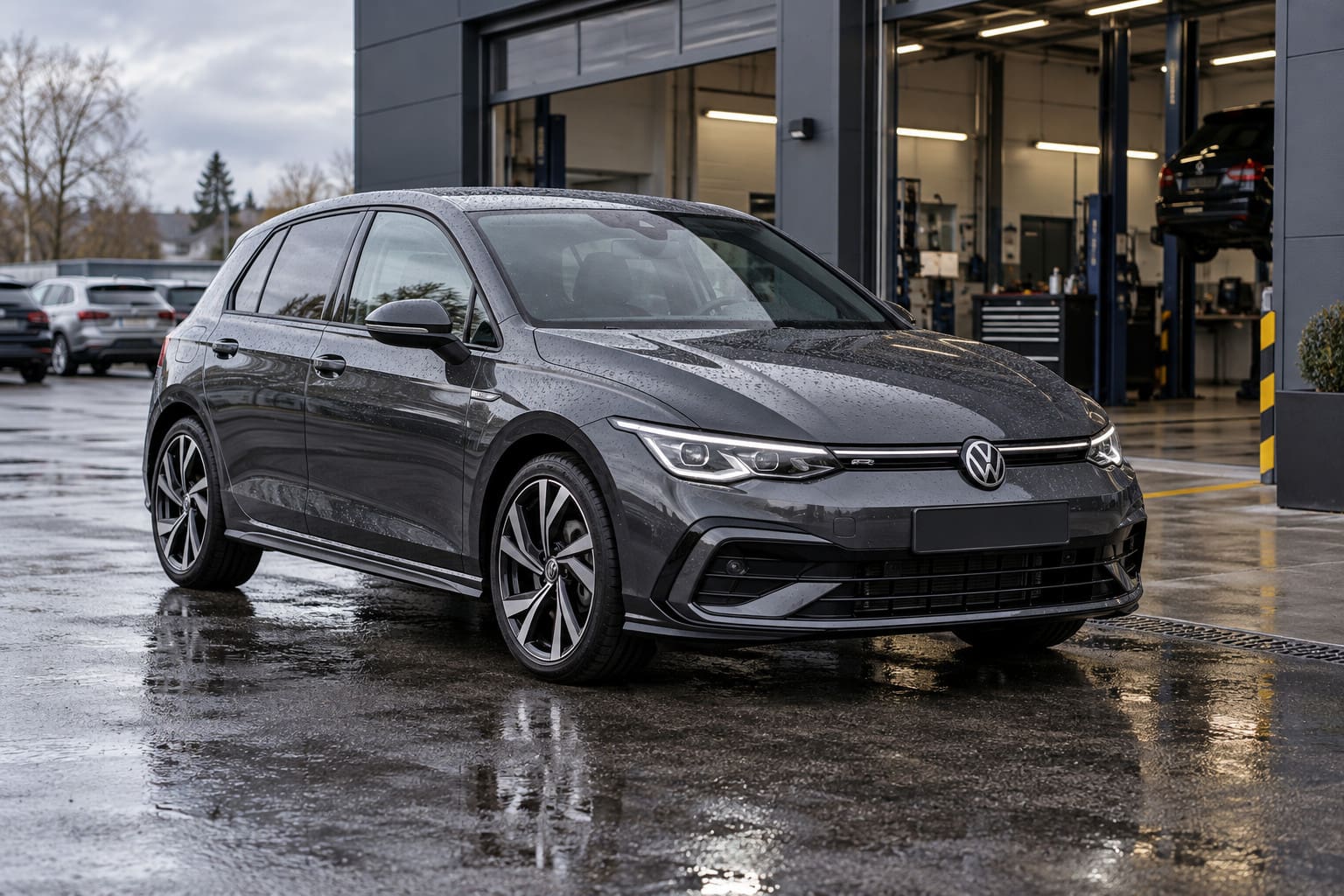
Book your Volkswagen Group vehicle in for servicing
Keeping up with the correct DSG gearbox maintenance can help you look after your vehicle and identify concerns before they develop further. The first step is confirming which transmission is fitted and what its service schedule requires.
Vasstechnik works with Volkswagen Group vehicles, including Volkswagen and Audi models. If you are unsure about your gearbox service interval or have noticed changes in how your transmission behaves, arrange an assessment before deciding what work is needed.
Visit the Vasstechnik service booking page to enquire about your vehicle’s servicing requirements.

01323 438754
Useful Links
Privacy Policy
Terms & Conditions
Cookie Policy
Blog
Case Study
Contact Us
FAQs
Get Social
We are on Facebook and Twitter! Like or follow us for more latest updates.
© 2023 Vasstechnik. All Rights Reserved. Cloud Site by Web Design Sites | Sitemap